Dog Nutrition Calculator

Ahmad zee
Table of Contents
Toggle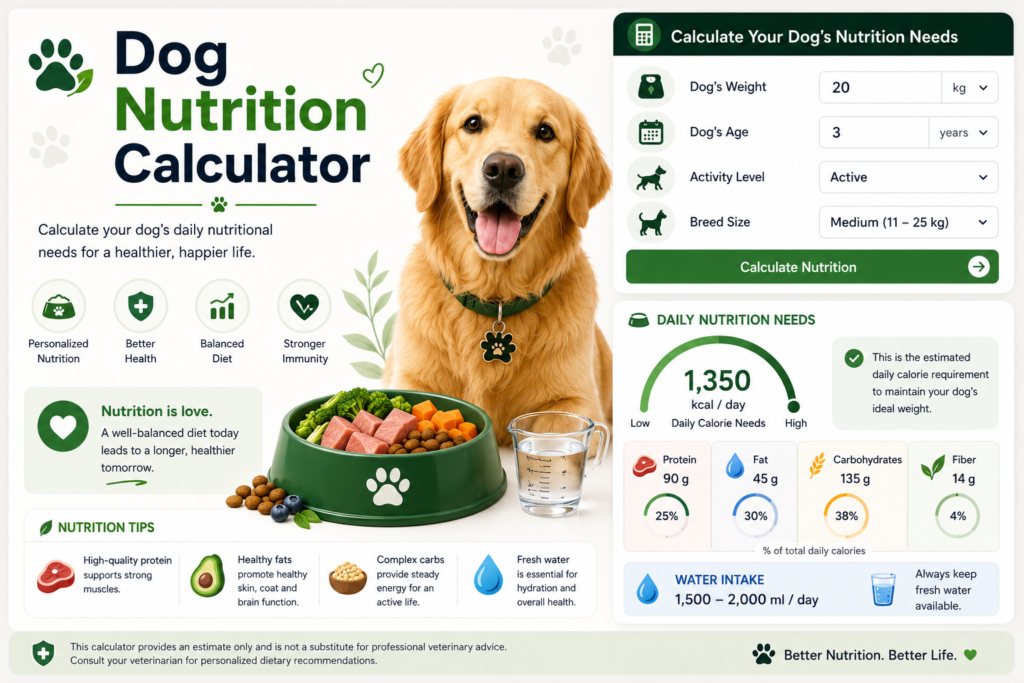
Dog Nutrition Calculator — The Smarter Way to Feed a Healthy Dog
Feeding a dog feels simple on the surface — open a bag, scoop some kibble, and done. But anyone who has spent time researching canine health quickly realizes that nutrition is one of the most nuanced, impactful, and frequently misunderstood aspects of dog ownership. What a dog eats every single day shapes its energy, coat condition, joint health, immune function, lifespan, and overall quality of life. And yet, most dogs are fed based on rough estimates, label guidelines, or habits passed down from one pet owner to the next.
A Dog Nutrition Calculator changes that. It brings precision, personalization, and scientific grounding to one of the most important daily decisions a dog owner makes — and it does so in a way that’s genuinely accessible to anyone, regardless of their background in veterinary science or animal biology.
What Is a Dog Nutrition Calculator?
A Dog Nutrition Calculator is a digital tool that helps dog owners determine the precise nutritional requirements of their dog based on individual characteristics. Rather than applying a one-size-fits-all feeding recommendation, it takes into account the variables that make each dog unique — and produces a tailored nutritional profile as a result.
At its core, the calculator translates information about a dog into actionable feeding guidance: how much protein, fat, carbohydrates, fiber, vitamins, and minerals that particular dog needs to thrive — not just survive.
It’s the difference between guessing and knowing — and for a dog that depends entirely on its owner for every bite of food it receives, that difference is substantial.
Why Dog Nutrition Is More Complex Than Most Owners Realize
The pet food industry has made feeding dogs remarkably convenient. Bags of kibble come with feeding guidelines printed right on the label. But those guidelines are broad averages — designed to cover a wide population of dogs with vastly different needs. They don’t account for a dog’s individual metabolism, health status, activity level, or life stage.
Here’s what makes canine nutrition genuinely complex:
Every Dog Has Different Nutritional Needs
A sedentary senior Basset Hound and an active working Border Collie require fundamentally different nutritional profiles — different caloric intakes, different protein levels, different fat ratios. Feeding them the same diet in the same quantities would serve one well and likely harm the other over time.
Nutritional Requirements Change Throughout a Dog’s Life
Puppies need higher levels of protein, fat, calcium, and phosphorus to support rapid growth and development. Adult dogs require a balanced maintenance diet. Senior dogs often benefit from reduced calories, increased fiber, and joint-supportive nutrients like glucosamine and omega-3 fatty acids. A Dog Nutrition Calculator adjusts recommendations dynamically based on life stage.
Overfeeding Is the Most Common Nutritional Problem
Veterinary surveys consistently find that overfeeding is the single most widespread nutritional issue in companion dogs. It contributes to obesity, joint disease, diabetes, and shortened lifespan. Even small daily overfeeding — an extra 10% beyond what a dog needs — adds up to meaningful excess weight over months and years. Precision matters, and a nutrition calculator delivers it.
Underfeeding Creates Its Own Problems
On the other end of the spectrum, underfeeding — whether intentional or accidental — leads to muscle wasting, immune suppression, poor coat condition, and developmental problems in growing dogs. Both extremes are avoidable with accurate nutritional guidance.
How Does a Dog Nutrition Calculator Work?
Most Dog Nutrition Calculators operate using a series of inputs that together paint a detailed picture of a dog’s individual needs. The more information provided, the more tailored and accurate the output becomes.
Primary Inputs
Body Weight
Current body weight is the foundational input. It helps establish baseline caloric and nutritional needs. For the most useful results, this should be the dog’s current weight — not an ideal target weight or an estimate. Regular weigh-ins ensure the numbers stay current.
Age
Nutritional requirements shift significantly across a dog’s lifespan. A 6-month-old puppy has very different needs from a 6-year-old adult or a 12-year-old senior. Age is one of the most important variables in any nutrition calculation.
Breed and Size Category
Breed influences not only body size but also metabolic rate, common health predispositions, and nutritional sensitivities. Giant breeds, for example, require careful calcium and phosphorus management during growth to prevent skeletal problems. Toy breeds often have faster metabolisms relative to their body weight.
Activity Level
A dog’s daily energy expenditure varies enormously based on how active it is. Calculators typically use activity categories ranging from sedentary or low-activity (a dog that mostly rests indoors) to highly active or working (a dog that exercises heavily or performs physical tasks daily).
Reproductive Status
Whether a dog is intact or spayed/neutered affects caloric needs. Additionally, pregnant and lactating females have significantly elevated nutritional requirements — particularly for protein, fat, and calcium — that a nutrition calculator can account for specifically.
Health Conditions
Some calculators allow users to note relevant health conditions — such as kidney disease, diabetes, food allergies, or obesity — which influence which nutritional targets are appropriate. Dogs managing chronic conditions often require diet modifications that a standard label recommendation would never address.
Key Nutrients a Dog Nutrition Calculator Addresses
Understanding what the calculator is measuring helps owners make better use of its output.
Protein
Protein is the cornerstone of canine nutrition. Dogs are primarily carnivorous by nature, and their bodies are built to derive energy and building blocks from animal-sourced protein. Protein supports muscle maintenance, immune function, enzyme production, and cellular repair.
The appropriate protein level varies by life stage and health status. Puppies and highly active dogs need more; dogs with certain kidney conditions may need less. A Dog Nutrition Calculator provides protein targets as a percentage of total diet or as daily gram requirements — both useful ways to evaluate food labels and meal plans.
Fats
Dietary fat is the most calorie-dense macronutrient and serves as a primary energy source for dogs. It also supports brain function, hormone production, coat health, and the absorption of fat-soluble vitamins (A, D, E, and K). Essential fatty acids — particularly omega-3 and omega-6 — must come from diet because dogs cannot synthesize them on their own.
Carbohydrates
While dogs don’t have a strict dietary requirement for carbohydrates the way they do for protein and fat, carbohydrates serve as an accessible energy source and contribute dietary fiber that supports digestive health. The appropriate carbohydrate level depends on the dog’s energy needs and health status.
Fiber
Dietary fiber plays a significant role in gastrointestinal health. It supports regular bowel movements, feeds beneficial gut bacteria, and helps dogs feel satiated after meals — which is particularly useful for dogs managing their weight. A Dog Nutrition Calculator typically accounts for fiber as part of its overall dietary recommendations.
Vitamins and Minerals
Vitamins and minerals are required in smaller quantities but are no less important. Calcium and phosphorus support bone health, particularly critical in growing puppies. B vitamins support nervous system function and energy metabolism. Zinc, iron, and selenium all play roles in immune function and cellular health.
An imbalanced vitamin and mineral profile — too little or too much — can cause serious health problems over time. This is one reason why home-prepared diets without professional guidance are risky: it’s difficult to achieve the right micronutrient balance without a detailed calculation.
Dog Nutrition by Life Stage
One of the most valuable features of a Dog Nutrition Calculator is its ability to tailor recommendations to the dog’s specific life stage. Nutritional needs don’t stay constant — they evolve alongside the dog.
Puppy Nutrition (0–12 Months)
Puppies are in a state of rapid development. Their bodies are building bone, muscle, organ tissue, and brain structure simultaneously. This demands a diet that is higher in protein, fat, and specific minerals compared to adult maintenance diets.
Calcium and phosphorus must be carefully balanced — too much of either can cause developmental bone abnormalities, particularly in large and giant breed puppies. A Dog Nutrition Calculator for puppies factors in breed size specifically to avoid these risks.
Feeding frequency also matters during this stage. Puppies typically benefit from three to four small meals per day rather than one or two larger meals, which helps stabilize blood sugar and support consistent energy levels throughout the day.
Adult Dog Nutrition (1–7 Years)
Adult dogs in good health require a balanced maintenance diet that supports energy, muscle condition, coat health, and immune function without promoting weight gain. Caloric needs are more stable during this phase, though they still shift based on activity level and reproductive status.
This is the life stage where the risks of overfeeding are most commonly realized. Many dogs gain weight gradually during their adult years due to slight but consistent overfeeding — often exacerbated by treats, table scraps, and generously poured portions. Using a Dog Calorie Calculator alongside a nutrition calculator helps owners stay precise about daily energy intake, making it easier to keep a dog in its ideal body condition throughout adulthood.
Senior Dog Nutrition (7+ Years for Large Breeds / 10+ for Small Breeds)
Senior dogs face a unique set of nutritional challenges. Metabolism slows, muscle mass tends to decrease, and organ function — particularly kidney and liver function — may begin to decline. At the same time, many senior dogs become less active, which reduces their caloric needs.
The common response of simply feeding a senior dog less is not always the right one. Reducing food quantity without adjusting nutritional composition can leave a senior dog deficient in the very nutrients it needs most. A Dog Nutrition Calculator for senior dogs focuses on maintaining lean muscle mass, supporting joint health, and adjusting macronutrient ratios to ease the burden on aging organ systems.
For a clearer picture of where a dog sits in its biological life journey, a Dog Age Calculator provides the human-equivalent age based on size and breed — a useful reference when interpreting senior-stage nutritional guidance and discussing care adjustments with a veterinarian.
Nutrition and Weight Management — A Critical Connection
Body weight and nutrition are inseparable topics in canine health. Poor nutritional management is the primary driver of both canine obesity and underweight conditions — and both create downstream health consequences that affect every system in a dog’s body.
Managing Overweight Dogs Through Nutrition
For dogs that are overweight, the instinct is often to simply reduce food quantity. While caloric reduction is indeed part of the solution, the nutritional composition of that reduced diet matters just as much. A dog on a calorie-restricted diet still needs adequate protein to preserve muscle mass, sufficient fiber to feel satisfied, and complete vitamin and mineral coverage to support immune and organ function.
A Dog Nutrition Calculator helps owners build a calorie-appropriate diet that doesn’t sacrifice nutritional completeness in the process of reducing intake. Pairing this with a Dog BMI Calculator provides a way to track whether dietary changes are moving a dog’s body composition in the right direction over time — turning nutrition management into a measurable, trackable process rather than a hopeful guess.
Supporting Underweight Dogs
Underweight dogs need more than just extra food. They need a diet that delivers concentrated, high-quality nutrition — particularly protein and healthy fat — in a form their digestive system can absorb efficiently. Underlying causes of low body weight should always be investigated with veterinary support, but a nutrition calculator helps owners ensure that whatever food is being offered is nutritionally optimal for recovery and weight restoration.
How a Dog Nutrition Calculator Supports Food Selection
One of the most practical applications of a Dog Nutrition Calculator is using its output to evaluate and compare commercial dog foods.
Reading Dog Food Labels With Purpose
Dog food labels list guaranteed analysis values for crude protein, crude fat, crude fiber, and moisture. These numbers, while useful, require context — they represent minimums and maximums, not exact values, and they need to be interpreted on a dry matter basis for meaningful comparisons between wet and dry foods.
A Dog Nutrition Calculator gives owners a target profile to compare against. If a calculator indicates that a dog needs 28% protein on a dry matter basis, owners can use that benchmark to filter food options intelligently rather than relying on marketing language like “premium” or “natural.”
A Dog Food Calculator works in direct complement to a nutrition calculator by helping owners determine the correct portion of a chosen food to meet their dog’s daily needs — translating nutritional targets into actual serving sizes.
Comparing Raw, Wet, and Dry Diets
Dog owners today have more feeding options than ever before — traditional dry kibble, wet/canned food, freeze-dried raw, fresh-cooked meals, and homemade diets all have their advocates. A Dog Nutrition Calculator doesn’t prescribe a specific feeding format; instead, it establishes the nutritional parameters any diet must meet, regardless of its format.
This makes it an especially valuable tool for owners feeding non-commercial diets, where the risk of nutritional imbalance is highest without careful calculation and monitoring.
The Role of Hydration in Dog Nutrition
Nutrition doesn’t begin and end with food. Water is the most essential nutrient of all — and adequate daily hydration is foundational to every metabolic process in a dog’s body, from nutrient absorption and digestion to temperature regulation and kidney function.
Dogs fed primarily dry kibble diets take in far less moisture through their food than dogs eating wet or raw diets. This difference can matter significantly for overall hydration status, particularly in warm climates or for dogs prone to urinary tract issues.
A Dog Water Intake Calculator helps owners determine how much water their dog should be consuming daily based on body weight and diet type — a simple but meaningful addition to any comprehensive nutritional management plan.
Common Nutritional Mistakes Dog Owners Make
Even the most devoted dog owners can fall into nutritional patterns that subtly undermine their dog’s health. Awareness of these common pitfalls is the first step toward avoiding them.
Relying Solely on Feeding Label Guidelines
Bag and can labels provide a starting point, but they’re calibrated for an average dog of a given weight range. They don’t account for individual metabolism, activity level, health status, or life stage nuances. Many dogs are overfed simply because their owners follow label recommendations that are too generous for their particular dog’s needs.
Overusing Treats
Treats are an important part of training and bonding — but they carry caloric weight that is frequently overlooked. For a small dog whose daily caloric budget is 250–300 calories, a handful of commercial treats can easily represent 20–30% of total daily intake. Factoring treats into a dog’s overall nutritional picture is essential, and a nutrition calculator helps owners see the full daily intake picture clearly.
Feeding the Same Diet Through All Life Stages
Many owners feed the same food from puppyhood through senior years without adjusting for changing nutritional needs. While some “all life stage” foods are formulated to be adequate across life phases, they’re rarely optimal for any specific stage. A nutrition calculator helps identify when a dietary transition is appropriate.
Assuming Supplements Are Always Beneficial
Supplementing a dog’s diet without knowing its baseline nutritional status can cause imbalances just as readily as deficiencies. Fat-soluble vitamins, calcium, and certain minerals are particularly easy to over-supplement, with potentially serious consequences. A nutrition calculator helps establish what a dog is already receiving through its diet before adding anything on top.
Ignoring the Nutritional Impact of Homemade Diets
Homemade and home-cooked diets are growing in popularity among dog owners who want to control what goes into their dog’s bowl. While well-intentioned, these diets are frequently deficient in key nutrients — particularly calcium, certain vitamins, and trace minerals — when prepared without expert guidance. A Dog Nutrition Calculator is an essential tool for anyone feeding a home-prepared diet, helping ensure that every nutritional base is covered.
When to Consult a Veterinary Nutritionist
A Dog Nutrition Calculator is an excellent starting point and a genuinely useful everyday tool — but there are situations where professional veterinary nutrition advice is the appropriate next step.
Situations That Warrant Expert Guidance
- A dog managing a chronic health condition such as kidney disease, liver disease, diabetes, inflammatory bowel disease, or food allergies
- A dog that has been underweight or overweight for an extended period without improvement despite dietary adjustments
- A dog being fed a home-prepared or raw diet, particularly without formal nutritional formulation
- A puppy of a large or giant breed, where calcium and phosphorus balance is critical to skeletal development
- A pregnant or lactating dog, whose nutritional requirements are substantially elevated and highly specific
In these situations, a Dog Nutrition Calculator provides a useful framework and starting data — but a board-certified veterinary nutritionist can take that foundation further with the personalized expertise these cases require.
Building a Complete Nutritional Routine for a Dog
The most effective nutritional management isn’t a single decision made once — it’s a consistent routine that adapts as a dog grows, ages, and changes. Here’s what a well-rounded nutritional routine looks like in practice:
Monthly: Weigh the dog and update nutritional targets using a Dog Nutrition Calculator based on current weight.
Seasonally: Reassess activity level, which often changes with the seasons, and adjust caloric targets accordingly.
At each life stage transition: Revisit the full nutritional profile as a dog moves from puppy to adult, and from adult to senior.
At every vet visit: Discuss current diet, weight trends, and any nutritional concerns — bringing calculator outputs to these conversations adds useful data to the discussion.
After any health diagnosis: Update nutritional targets to reflect any dietary modifications recommended in response to a new health condition.
Final Thoughts
A dog’s health is built one meal at a time — and that quiet daily reality is what makes nutrition so profoundly important. A Dog Nutrition Calculator turns what could be an overwhelming topic into something manageable, precise, and genuinely empowering for dog owners at every level of experience.
Whether someone is raising a puppy for the first time, managing the diet of a senior dog with complex health needs, or simply trying to make sure their adult dog is getting exactly what it needs to thrive — a nutrition calculator provides the clarity that guesswork never can. For dogs who trust their owners completely with every aspect of their care, that kind of informed, intentional feeding is one of the most meaningful expressions of that responsibility.