Metacam Dosage Calculator for Dogs

Ahmad zee
Table of Contents
Toggle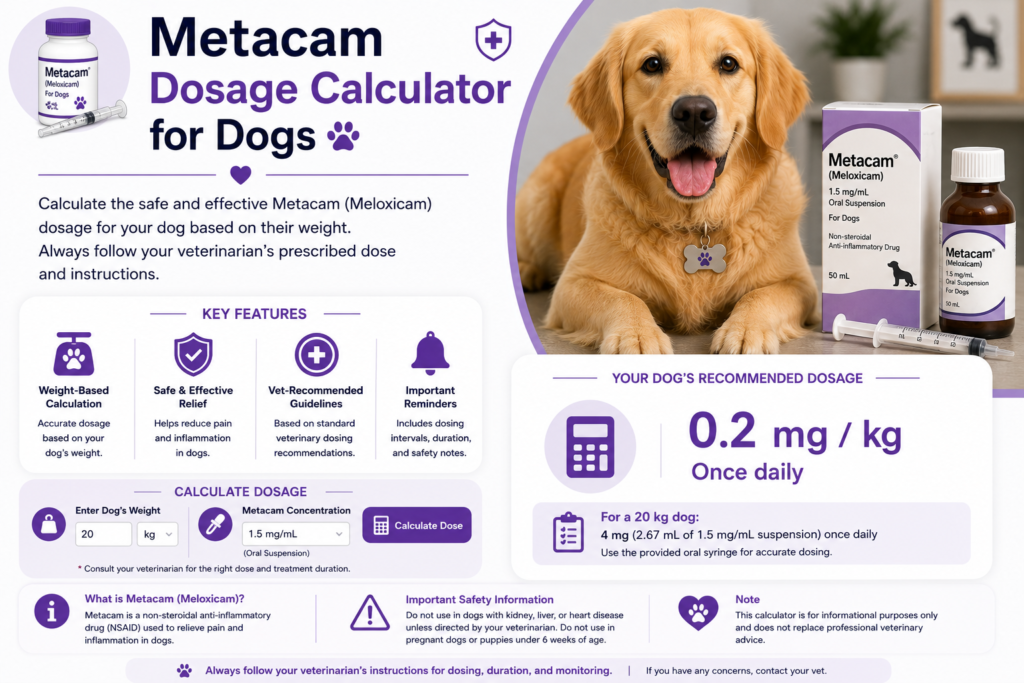
Metacam Dosage Calculator for Dogs: Everything Pet Owners Need to Know
Pain and inflammation are among the most common reasons a dog visits the veterinarian. Whether it’s recovering from surgery, managing a chronic joint condition like arthritis, or dealing with an acute injury, pain relief plays a central role in a dog’s quality of life. Metacam is one of the most frequently prescribed anti-inflammatory medications in veterinary practice — and getting the dose exactly right is critically important for both safety and effectiveness. A Metacam dosage calculator for dogs is a practical tool that helps dog owners determine the correct dose based on their pet’s weight, taking the uncertainty and mental arithmetic out of the equation entirely.
This guide walks through everything worth knowing about Metacam — what it is, what it treats, how a dosage calculator works, what factors influence the dose, how to administer it safely, and what side effects to watch for during treatment.
What Is Metacam?
Metacam is the brand name for meloxicam, a non-steroidal anti-inflammatory drug (NSAID) widely used in both human and veterinary medicine. In dogs, it is prescribed to relieve pain, reduce inflammation, and manage fever associated with a range of musculoskeletal and post-surgical conditions.
As an NSAID, Metacam works by inhibiting cyclooxygenase (COX) enzymes — specifically COX-2 — which are responsible for producing prostaglandins. Prostaglandins are signaling molecules that trigger inflammation, pain, and fever in response to injury or disease. By blocking their production, Metacam reduces these symptoms and helps dogs feel more comfortable during recovery or while managing a chronic condition.
Metacam is available in several formulations for dogs, including an oral liquid suspension (the most commonly used form), injectable solution administered by veterinarians, and chewable tablets. The oral liquid is particularly popular because its dropper-style delivery system makes weight-based dosing more precise than cutting tablets.
It is also worth noting that Metacam is prescribed for cats — though at different doses and with greater caution due to the species-specific risks involved. Dog owners with feline companions at home can explore the separate Metacam Dosage Calculator for Cats for accurate, species-appropriate guidance.
What Conditions Does Metacam Treat in Dogs?
Metacam has a broad range of clinical applications in veterinary medicine. Veterinarians prescribe it for both short-term and long-term management of pain and inflammation in dogs.
Osteoarthritis and Degenerative Joint Disease
One of the most common and important uses of Metacam in dogs is managing osteoarthritis — a degenerative condition in which joint cartilage gradually breaks down, causing chronic pain, stiffness, and reduced mobility. Osteoarthritis is especially prevalent in older dogs and larger breeds that put more mechanical stress on their joints over time.
Metacam is often prescribed as a long-term daily medication for arthritic dogs. When used consistently at the correct dose, it can significantly improve mobility, reduce visible signs of pain, and enhance overall quality of life. This is why Metacam is closely connected to discussions of aging and longevity in dogs — owners of senior dogs managing joint disease can also benefit from tools like the Dog Life Expectancy Calculator to better understand their pet’s health trajectory and plan ahead for care needs.
Post-Surgical Pain and Inflammation
Metacam is routinely used to manage pain and swelling after surgical procedures in dogs. Many veterinary practices administer an initial injectable dose of meloxicam during or immediately after surgery, then transition the dog to oral Metacam for continued pain management during recovery at home.
Acute Musculoskeletal Pain
Injuries such as sprains, strains, muscle tears, and soft tissue trauma can cause significant acute pain in dogs. Metacam provides effective short-term relief in these cases, reducing inflammation and making the dog more comfortable while the injury heals.
Spinal Pain and Disc Disease
Metacam is sometimes prescribed for dogs experiencing spinal pain, including those with intervertebral disc disease (IVDD) or other spinal conditions that cause nerve compression and significant discomfort. In these cases, it is often used alongside other treatments such as strict rest, physical therapy, or in more serious cases, surgical intervention.
Dental Pain
Post-operative dental pain following tooth extractions or other oral procedures is another area where Metacam sees regular use. It helps manage inflammation and discomfort as the mouth heals after dental work.
What Is a Metacam Dosage Calculator for Dogs?
A Metacam dosage calculator for dogs is an online tool that calculates the appropriate dose of Metacam based on a dog’s current body weight. Because Metacam is dosed on a milligrams-per-kilogram basis, even a small variation in weight can meaningfully affect the recommended dose — making accuracy especially important.
The calculator applies the standard veterinary dosing formula to the dog’s weight and outputs a clear, easy-to-understand result, typically expressed as a volume of oral suspension (in milliliters) or a total milligram dose per administration. This removes the risk of calculation errors that can easily occur when dog owners try to do the math manually, particularly when working with decimal-point doses in a liquid suspension format.
It is important to understand what a Metacam dosage calculator is — and what it is not. It is a reference tool and a double-check mechanism. It is not a substitute for a veterinary prescription. The decision to prescribe Metacam, the appropriate dose, the dosing frequency, and the treatment duration must all be determined by a licensed veterinarian who has examined the dog and assessed its individual health status.
Standard Metacam Dosage for Dogs
The standard veterinary dosing protocol for Metacam in dogs involves a loading dose on the first day of treatment, followed by a lower maintenance dose for subsequent days.
- Loading dose (Day 1): 0.2 mg/kg of body weight, given once
- Maintenance dose (Day 2 onwards): 0.1 mg/kg of body weight, given once daily
Metacam oral suspension for dogs is typically available at a concentration of 1.5 mg/ml, which means the volume administered in milliliters can be calculated as follows:
- Day 1 volume (ml) = Dog’s weight (kg) × 0.2 ÷ 1.5
- Daily maintenance volume (ml) = Dog’s weight (kg) × 0.1 ÷ 1.5
Here is a weight-based dosing reference table for the oral suspension:
| Dog’s Weight | Loading Dose (Day 1) | Maintenance Dose (Day 2+) |
|---|---|---|
| 5 kg (11 lbs) | 0.67 ml | 0.33 ml |
| 10 kg (22 lbs) | 1.33 ml | 0.67 ml |
| 15 kg (33 lbs) | 2.00 ml | 1.00 ml |
| 20 kg (44 lbs) | 2.67 ml | 1.33 ml |
| 25 kg (55 lbs) | 3.33 ml | 1.67 ml |
| 30 kg (66 lbs) | 4.00 ml | 2.00 ml |
| 40 kg (88 lbs) | 5.33 ml | 2.67 ml |
These figures are for illustrative reference only. Actual dosing should always follow the specific instructions provided by the prescribing veterinarian.
How to Use a Metacam Dosage Calculator for Dogs
Using a Metacam dosage calculator is a simple, user-friendly process. Here is a step-by-step overview of how these tools typically work:
Step 1 — Enter the Dog’s Body Weight
The first input is the dog’s current body weight. Accuracy here is critical, since the entire dose is calculated from this number. Owners should weigh their dog as close to the start of treatment as possible, rather than relying on a weight from a previous veterinary visit — dogs’ weights change over time, particularly in growing puppies, dogs recovering from illness, or those managing chronic conditions. Tools like the Dog BMI Calculator can help owners track body weight and body condition on an ongoing basis, ensuring dose calculations are always based on current, accurate measurements.
Step 2 — Select the Concentration of the Suspension
Most Metacam oral suspensions for dogs are formulated at 1.5 mg/ml, but some calculators allow the user to confirm or adjust this if a different concentration has been dispensed.
Step 3 — Choose the Dosing Day
Because Metacam uses a two-phase protocol — a higher loading dose on Day 1 followed by a lower maintenance dose — some calculators ask whether the dose being calculated is for the first day or subsequent days. This distinction is important to avoid accidentally continuing the loading dose beyond Day 1.
Step 4 — Review the Output
The calculator presents the recommended volume in milliliters, making it straightforward to measure the correct amount using the dropper or syringe provided with the medication.
Factors That Influence Metacam Dosage in Dogs
While the standard dosing formula provides a solid starting point, several individual factors can influence how a veterinarian tailors the Metacam prescription for a specific dog.
Body Weight
Weight is the primary driver of the dose calculation. As with most weight-based medications in veterinary medicine, heavier dogs receive a larger absolute dose while lighter dogs receive a smaller one. Since Metacam is dispensed as a liquid, even small adjustments to account for weight changes are practical and precise.
Age of the Dog
Puppies under six months of age are not typically prescribed Metacam, as their organ systems are still developing. At the other end of the age spectrum, senior dogs may have reduced kidney or liver function that affects how the drug is metabolized and cleared from the body. Veterinarians often monitor older dogs more closely during Metacam treatment and may adjust the dose accordingly.
Kidney and Liver Function
Metacam, like all NSAIDs, is metabolized by the liver and excreted through the kidneys. Dogs with existing kidney disease, liver dysfunction, or reduced organ function may not be suitable candidates for Metacam, or may require significant dose adjustments and close monitoring. A veterinarian will typically assess these organ systems before prescribing Metacam, particularly for long-term use.
Concurrent Medications
NSAIDs interact with several other drug classes. Metacam should not be given alongside other NSAIDs (including aspirin) or corticosteroids (such as prednisolone or dexamethasone) without careful veterinary oversight, as combining these medications dramatically increases the risk of gastrointestinal ulceration and other serious complications. Dogs on anticoagulants, certain diuretics, or other medications that affect kidney blood flow also require careful evaluation before Metacam is prescribed.
Overall Health Status
A dog with a healthy gastrointestinal tract, normal hydration, and no underlying organ disease tolerates Metacam better than one with pre-existing health challenges. The veterinarian’s overall clinical assessment of the dog plays an important role in determining whether Metacam is appropriate and what dose is safest for that individual patient.
How to Administer Metacam to a Dog
Correct administration is just as important as correct dosing. Here is what dog owners need to know about giving Metacam to their pets:
Giving Metacam with Food
Metacam oral suspension should always be given with food or immediately after a meal. Administering NSAIDs on an empty stomach significantly increases the risk of gastrointestinal irritation, nausea, and ulceration. Making Metacam part of mealtime is the simplest and most effective way to protect the stomach.
Using the Dropper Correctly
The oral suspension comes with a calibrated dropper designed for accurate dosing. Dog owners should draw up the exact prescribed volume and either place it directly into the dog’s mouth or mix it into a small amount of food to encourage consumption. Household spoons should never be used for measuring, as they are not calibrated and will produce inaccurate doses.
Consistency in Timing
Metacam is given once daily, which makes it relatively easy to build into a daily routine. Giving the medication at approximately the same time each day helps maintain stable levels in the bloodstream and consistent pain control. Setting a phone reminder can be a practical way to stay on schedule.
Never Adjust the Dose Without Veterinary Guidance
Dog owners should never increase the Metacam dose on their own, even if the dog appears to still be in pain. Exceeding the prescribed dose significantly increases the risk of serious side effects. If pain control seems inadequate, the situation should be discussed with the veterinarian, who may adjust the dose, add a complementary pain management approach, or investigate whether the underlying condition has progressed.
Possible Side Effects of Metacam in Dogs
Metacam is generally well-tolerated when used at the correct dose under veterinary supervision, but all NSAIDs carry the potential for side effects. Dog owners should be aware of what to watch for and how to respond.
Gastrointestinal Side Effects
The most common side effects involve the gastrointestinal system. These can include:
- Vomiting
- Diarrhea or loose stools
- Reduced appetite or refusal to eat
- Abdominal discomfort or signs of nausea (drooling, licking lips, restlessness)
- In more serious cases, gastrointestinal ulceration, which may present as dark or bloody stools, vomiting blood, or sudden deterioration in the dog’s condition
Giving Metacam with food significantly reduces the likelihood of these side effects, but they can still occur in sensitive individuals.
Kidney-Related Side Effects
NSAIDs reduce blood flow to the kidneys in certain conditions, which can lead to kidney injury — particularly in dogs that are dehydrated, older, or have pre-existing kidney disease. Signs of kidney problems include increased thirst, increased or decreased urination, lethargy, vomiting, and loss of appetite.
Ensuring adequate hydration is one of the most important protective measures a dog owner can take during Metacam treatment. The Dog Water Intake Calculator is a helpful resource for understanding how much water a dog of a given size and activity level should be drinking each day, making it easier to spot changes that might signal a kidney concern.
Liver-Related Side Effects
Though less common than gastrointestinal or kidney effects, liver-related side effects can occur. These may include jaundice (yellowing of the skin, whites of the eyes, or gums), unusual lethargy, or abdominal swelling. Dogs on long-term Metacam therapy should have periodic blood work to monitor liver enzyme levels.
Behavioral Changes
Some dogs show subtle behavioral changes during NSAID therapy, including unusual lethargy, withdrawal from activity, or apparent mood changes. Any significant change in a dog’s normal behavior while on Metacam should be reported to the veterinarian.
Signs That Require Immediate Veterinary Attention
Dog owners should contact a veterinarian urgently if the dog on Metacam shows any of the following:
- Vomiting blood or material that looks like coffee grounds
- Black, tarry, or bloody stools
- Extreme lethargy or sudden collapse
- Significant decrease in urination or signs of fluid retention
- Yellowing of the skin, gums, or eyes
- Seizures
- Sudden loss of appetite lasting more than 24 hours
What Happens If a Metacam Dose Is Missed?
If a scheduled dose of Metacam is missed, the recommended approach is to give it as soon as it is remembered — unless it is close to the time for the next scheduled dose, in which case the missed dose should be skipped and the regular schedule resumed. Double-dosing to compensate for a missed administration is not safe and should be avoided.
What to Do in Case of Metacam Overdose
An accidental overdose of Metacam is a veterinary emergency. NSAIDs have a relatively narrow safety margin, meaning the difference between a therapeutic dose and a toxic dose is not especially large. Signs of overdose can include severe vomiting, blood in vomit or stool, extreme lethargy, collapse, difficulty breathing, seizures, and sudden loss of consciousness.
If an overdose is suspected — whether due to a calculation error, accidental double-dosing, or a dog consuming more than its prescribed amount — a veterinarian or animal poison control center should be contacted immediately. This is one of the key reasons why using a reliable Metacam dosage calculator for dogs is so valuable: it helps prevent the kind of dosing mistakes that lead to overdose scenarios before they happen.
For dog owners managing multiple medications across their household — such as antibiotics alongside pain management — resources like the Cephalexin Dosage Calculator for Dogs can help keep individual dosing clear and organized for each medication, reducing the risk of confusion.
Metacam vs. Other Pain Relief Options for Dogs
Understanding how Metacam compares to alternative pain management approaches helps dog owners have more informed conversations with their veterinarians.
Metacam vs. Carprofen (Rimadyl)
Carprofen is another widely used NSAID in veterinary medicine. Both Metacam and carprofen target COX-2 enzymes to reduce inflammation and pain. The choice between them often comes down to the individual dog’s response, the veterinarian’s clinical preference, the form of administration preferred, and cost considerations. Some dogs respond better to one than the other.
Metacam vs. Gabapentin
Gabapentin is not an NSAID — it is a neuropathic pain medication often used alongside NSAIDs rather than as a replacement for them. It is particularly useful for managing nerve-related pain and is commonly combined with Metacam in dogs with more complex pain management needs.
Metacam vs. Tramadol
Tramadol is an opioid-like analgesic that works through different mechanisms than NSAIDs. It is often used in combination with Metacam for more severe pain, or as an alternative when NSAID use is not appropriate for a particular dog. It does not have anti-inflammatory properties on its own.
Metacam vs. Corticosteroids
Corticosteroids such as prednisolone or dexamethasone are potent anti-inflammatory drugs but work through a different biological pathway than NSAIDs. They are sometimes used instead of Metacam when a dog has a condition that responds better to steroid therapy, or when NSAIDs are contraindicated. Critically, corticosteroids and NSAIDs should never be used together, as this combination dramatically raises the risk of life-threatening gastrointestinal complications.
Long-Term Metacam Use in Dogs
Many dogs with chronic conditions like osteoarthritis require Metacam on an ongoing, long-term basis. When used appropriately, Metacam can be safely administered over extended periods — but long-term use requires a more proactive approach to monitoring.
Regular Blood Work
Dogs on long-term Metacam therapy should have blood panels performed at regular intervals — typically every six to twelve months — to assess kidney function, liver enzyme levels, and overall health. Catching any early signs of organ stress allows the veterinarian to adjust the treatment plan before serious damage occurs.
Routine Weight Monitoring
Because the Metacam dose is tied directly to body weight, regular weight checks help ensure the dog is receiving the correct amount at all stages of its life. A dog that gains or loses significant weight may need a dose adjustment. Monitoring weight consistently throughout long-term treatment is a simple but important safeguard.
Reassessment of the Underlying Condition
Chronic pain conditions like osteoarthritis can progress over time. Periodic veterinary reassessments help determine whether the current dose and treatment plan are still appropriate, whether additional therapies such as physical rehabilitation, joint supplements, or hydrotherapy might enhance the dog’s comfort, and whether the overall quality of life is being well-maintained.
Supporting a Dog During Metacam Treatment
Beyond giving the correct dose on schedule, dog owners can take several supportive steps to help their dogs through pain management treatment.
Maintain a Healthy Weight
Extra body weight places additional stress on already painful joints and can exacerbate inflammatory conditions. Keeping a dog at its ideal body weight through appropriate diet and gentle exercise is one of the most powerful non-pharmacological approaches to managing chronic joint pain. Owners can use the Dog BMI Calculator to regularly assess their dog’s body condition and identify any weight trends that need addressing.
Ensure Consistent Hydration
Hydration is a critical protective factor for dogs on NSAIDs. Well-hydrated dogs have better kidney perfusion and are more resilient to the renal effects that NSAIDs can cause. Fresh water should always be accessible, and owners should be attentive to whether their dog’s water intake changes during treatment.
Gentle, Appropriate Exercise
While rest is important immediately after surgery or acute injury, gentle exercise plays an important role in long-term joint health and mobility. Low-impact activities like short walks, swimming, or hydrotherapy help maintain muscle mass around affected joints, support circulation, and prevent the stiffness that worsens when a dog becomes too sedentary. The veterinarian’s guidance on appropriate exercise levels should always be followed.
Environmental Modifications
Simple changes to a dog’s living environment can make a significant difference in comfort during pain management treatment. These might include orthopedic bedding, ramps or steps to avoid jumping on and off furniture, raised food and water bowls to reduce neck strain, and non-slip flooring to help dogs with reduced mobility move around more safely.
Follow-Up Veterinary Appointments
Scheduled follow-ups allow the veterinarian to assess how well the pain is being managed, whether any side effects are developing, and whether any adjustments to the treatment plan are needed. These appointments are especially valuable during the early stages of Metacam treatment and should not be skipped.
Metacam and Senior Dogs
Metacam is among the most commonly used medications in senior dog populations, given how frequently older dogs develop arthritis, degenerative joint disease, and other painful conditions. However, senior dogs also present a higher risk profile for NSAID-related side effects due to age-related changes in kidney and liver function, reduced hydration efficiency, and concurrent health conditions.
This means that while Metacam can genuinely transform the quality of life for an older dog living with chronic pain, it should always be used under attentive veterinary supervision in senior patients. Regular health checks, bloodwork, and close monitoring of how the dog looks, moves, eats, and drinks are all important parts of safe long-term NSAID use in aging dogs.
For owners of senior dogs thinking holistically about their pet’s wellbeing and remaining lifespan, exploring tools like the Dog Life Expectancy Calculator can offer useful context about where a dog sits in its life stage and what kind of care, monitoring, and planning makes the most sense at that point.
Storing Metacam Properly
Proper storage helps ensure Metacam maintains its potency throughout the treatment course.
- Metacam oral suspension should be stored at room temperature, away from direct sunlight, heat, and moisture.
- The bottle should always be kept tightly closed when not in use.
- After opening, the suspension typically has a shelf life of six months — the expiration date on the bottle should be checked and respected.
- Metacam should always be kept out of reach of children and other pets.
- Unused or expired medication should be disposed of responsibly, ideally through a pharmacy take-back program, rather than being poured down the drain or thrown in the trash.
Frequently Asked Questions About Metacam for Dogs
Can Metacam be given to puppies?
Metacam is generally not recommended for puppies under six months of age. Younger animals have developing organ systems that may not handle NSAIDs well. A veterinarian should always determine whether any pain medication is appropriate for a puppy.
How long does it take for Metacam to work in dogs?
Many dogs show noticeable improvement within 24 to 48 hours of starting Metacam. However, in chronic conditions like osteoarthritis, it may take several days of consistent dosing to see the full benefit.
Can Metacam be stopped suddenly?
Unlike some medications, Metacam does not typically require gradual tapering when stopping. However, the underlying pain condition that prompted its use should be reassessed — stopping Metacam suddenly without addressing the source of pain could leave the dog uncomfortable. Any decision to discontinue treatment should be made in consultation with the veterinarian.
Is it safe to give a dog human meloxicam?
Human meloxicam formulations are not appropriate for dogs. They come in different concentrations and tablet strengths not calibrated for canine dosing. Veterinary-formulated Metacam, prescribed specifically for dogs at the appropriate veterinary dose, is the only safe option.
How is Metacam different from aspirin for dogs?
Aspirin is an older NSAID with a much less favorable side effect profile in dogs. It inhibits both COX-1 and COX-2 enzymes, which makes it more likely to cause gastrointestinal damage. Metacam preferentially targets COX-2, making it generally safer and better tolerated. Veterinarians rarely recommend aspirin for dogs when safer options like Metacam are available.
Can a dog take Metacam long-term?
Yes, with appropriate veterinary monitoring, many dogs safely take Metacam on a long-term basis for managing chronic pain conditions. Regular blood work and veterinary check-ups are essential components of long-term NSAID therapy.
The Role of a Metacam Dosage Calculator in Responsible Pet Care
At its core, a Metacam dosage calculator for dogs is a tool that supports confident, accurate, and responsible medication management. It ensures that dog owners — regardless of their background or comfort level with medical calculations — can verify they are giving their pet exactly the right amount of a powerful medication.
Pain management is one of the most impactful things an owner can do for a dog’s quality of life, particularly as that dog ages. Getting the dose right, giving it consistently, and monitoring the dog closely throughout treatment are all part of the kind of attentive care that keeps dogs comfortable, healthy, and happy for as many years as possible.
Combined with regular veterinary guidance, ongoing health monitoring, and a broader toolkit of dog health resources available through comprehensive pet care platforms, a dosage calculator helps bridge the gap between a veterinary prescription and confident at-home implementation.
Conclusion
Metacam is a genuinely life-changing medication for many dogs living with pain and inflammation. When used at the right dose, at the right frequency, and with appropriate monitoring, it can restore mobility, reduce discomfort, and meaningfully improve the daily experience of dogs managing arthritis, recovering from surgery, or healing from injury.
A Metacam dosage calculator for dogs is one of the most practical tools an owner can use to support that treatment. It brings precision to a process where accuracy matters enormously, and it gives dog owners the confidence to implement their veterinarian’s instructions correctly every single day.
As with all aspects of pet health, the calculator works best when it is part of a larger picture of attentive, informed, veterinarian-guided care. Together, these elements give every dog the best possible chance at a comfortable, active, and well-supported life.
Explore more dog health calculators and pet care tools in the full biology calculator collection at OmniCalculator Store.